
Seamus
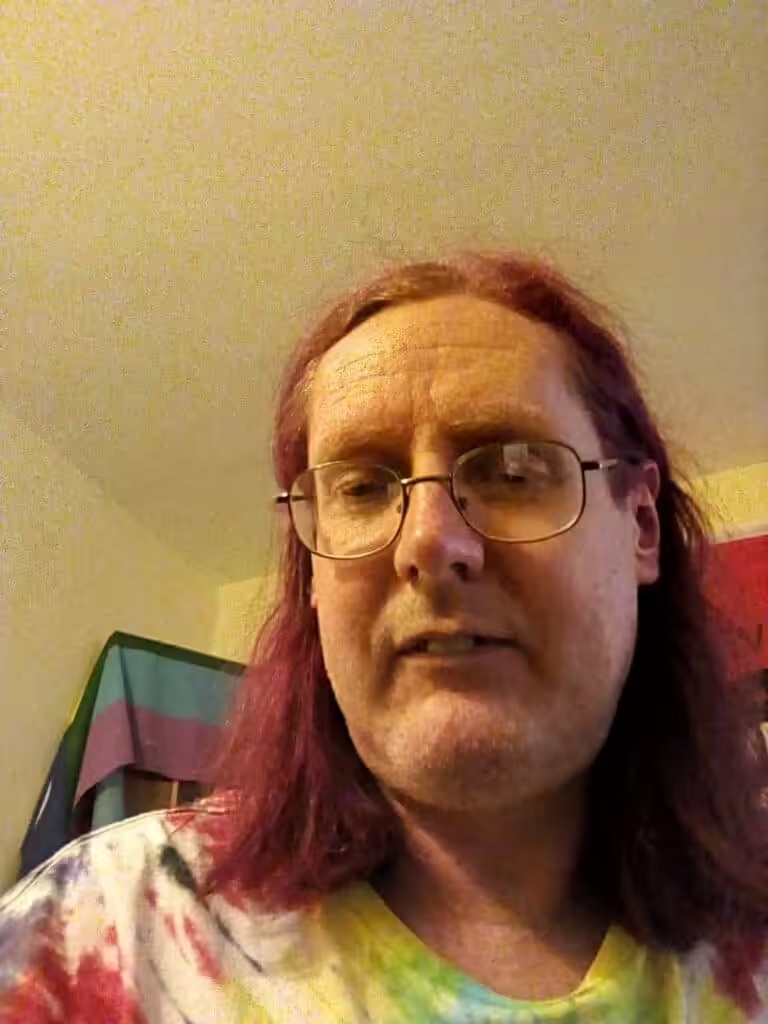
My name is Seamus, and in 2023, I was diagnosed with Orthostatic Hypotension at the age of 51. This diagnosis came after a long journey of experiencing symptoms that I didn’t understand.
I was familiar with the dizziness, blurred vision, and the sensation of “seeing stars” whenever I stood up too quickly, but it wasn’t until my general practitioner conducted a simple test that I received a formal diagnosis.
Diagnosis and Initial Steps
The process was straightforward yet revealing. My doctor measured my blood pressure while I was sitting and then again after standing for a few minutes. Despite these symptoms, my ECG test came back normal. The advice from my doctor was to increase my water intake and add more salt to my diet. However, medication was not prescribed.
Managing Daily Life
Living with Orthostatic Hypotension has required me to adapt my daily routine significantly. I have to be cautious when transitioning from sitting to standing, often sitting on the edge of my bed before slowly getting up. Exercise has become both a necessity and a challenge. While I experience exercise intolerance, meaning prolonged physical activity can exacerbate my symptoms, I have found that gentle activities like walking in the park and practicing yoga every day are beneficial.
To prevent falls, I use a walking stick, which provides me with much-needed stability. These adjustments have been vital, as the condition has also affected my social life. The fear of dizziness and fainting spells has led me to withdraw from social events, and I’ve even signed up for a St John medical alarm for added safety.
Coping with Environmental Triggers
Environmental factors play a significant role in managing my symptoms. The summer heat can be particularly challenging, so I seek shade and ensure I stay cool. During the winter, I am careful not to overheat my living space and keep my showers at a moderate temperature.
Social and Occupational Challenges
Socialising can be exhausting, often requiring me to retreat to a dark room to recuperate. This has made finding a job nearly impossible, as the symptoms and the subsequent fatigue are difficult to manage in a work environment.
Advice for Others
For those newly diagnosed with Postural Hypotension, my advice is to be mindful about exercise—avoid overexertion and prioritise low-impact activities like yoga. Managing stress is equally important, as stress can trigger symptoms. I remain hopeful that one day, a cure for Postural Hypotension and PoTS will be discovered, offering relief to those of us affected by this condition.