Phoebe
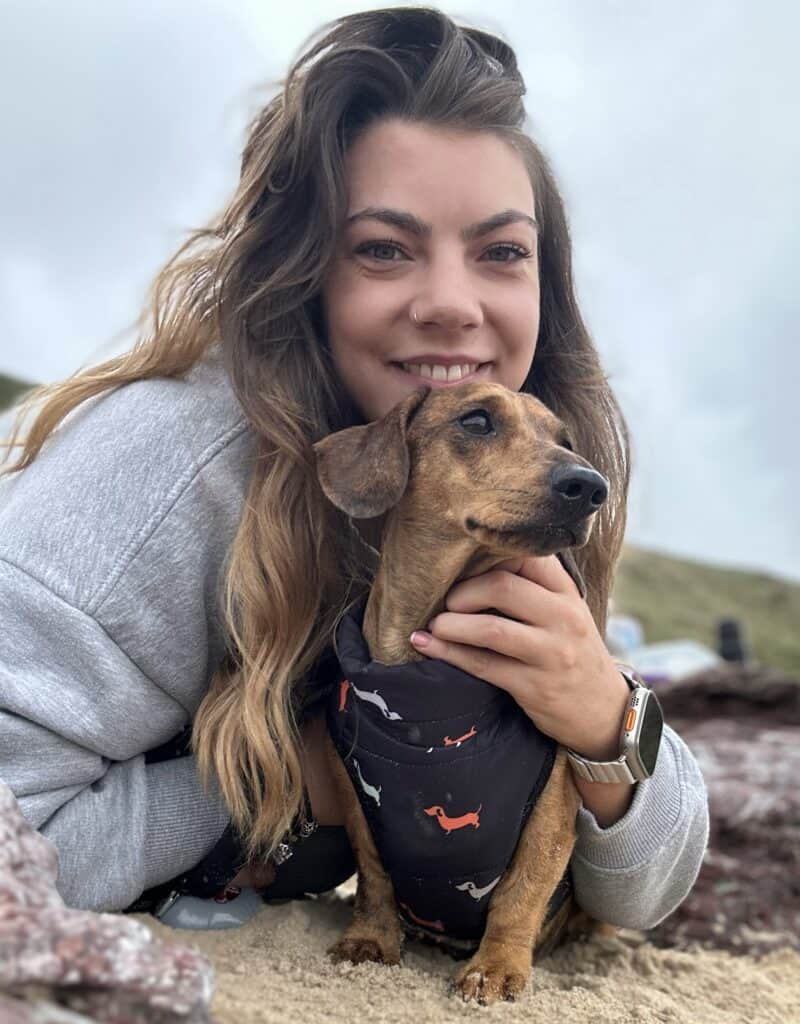
My name is Phoebe, and I’m 25 years old. I was diagnosed with Postural Orthostatic Tachycardia Syndrome (PoTS) in March 2026 after three years of searching for answers.
Looking back, my symptoms began after I was hospitalised with a severe kidney infection that developed into sepsis in 2021. Although I recovered from the infection, I never quite felt like my body recovered with it. At the time, I had no idea that those symptoms could be the beginning of a chronic illness.
In 2023, my dad passed away. Alongside the unimaginable grief, my health declined dramatically. My symptoms became impossible to ignore. Standing left me so dizzy and exhausted, my heart would race doing the simplest of tasks sometimes over 200bpm, and everyday life became increasingly difficult. Eventually, I had to leave my job because I simply couldn’t turn up anymore. There were times when I was bed bound for long periods of time, wondering why my body no longer seemed to work the way it used to.
For years, I felt like I was collecting symptoms instead of answers. I began researching on my own and came across PoTS. For the first time, everything made sense. It described my experiences almost perfectly, but getting an official diagnosis still wasn’t easy. It took nearly three years before I finally found a doctor who listened, investigated properly, and confirmed what I had suspected all along.
Receiving my diagnosis was emotional. It didn’t make the symptoms disappear, but it gave me validation. I finally knew that what I had been experiencing was real.
Since then, I’ve been learning how to manage life with PoTS. I’m still trialling medications and undergoing investigations for other possible chronic conditions, including suspected Mast Cell Activation Syndrome (MCAS) and PCOS. Earlier this year, I was also diagnosed with Autism at the age of 25, which has helped me understand myself in ways I never had before.
Living with PoTS has changed every part of my life. Becoming disabled by a chronic illness is something no one can truly prepare you for. Every day now involves planning around my symptoms. I have to think about my medications, fluid intake, salt, compression wear, pacing, and energy levels before I can even consider what I want to do that day. Activities that many people take for granted now require careful thought, and most of the time they simply aren’t possible.
One of the biggest lessons I’ve learned is to stop measuring progress by what I used to be able to do. Instead, I celebrate the small wins. Right now, my goal is just ten minutes of movement each day, whether that’s a slow walk or ten gentle minutes on my exercise bike. Those small steps matter, and over time they become progress.
If you’re reading this because you’re still searching for answers, please don’t give up. You know your body better than anyone else. Keep advocating for yourself, keep asking questions, and don’t lose hope if someone dismisses your symptoms. The right doctor can make all the difference.
PoTS has taken a lot from me, but it has also taught me resilience, patience, and compassion. My life looks very different now, but I’m learning to build a new version of it one small step at a time. If sharing my story helps even one person feel less alone, then it’s worth telling.