
Cat
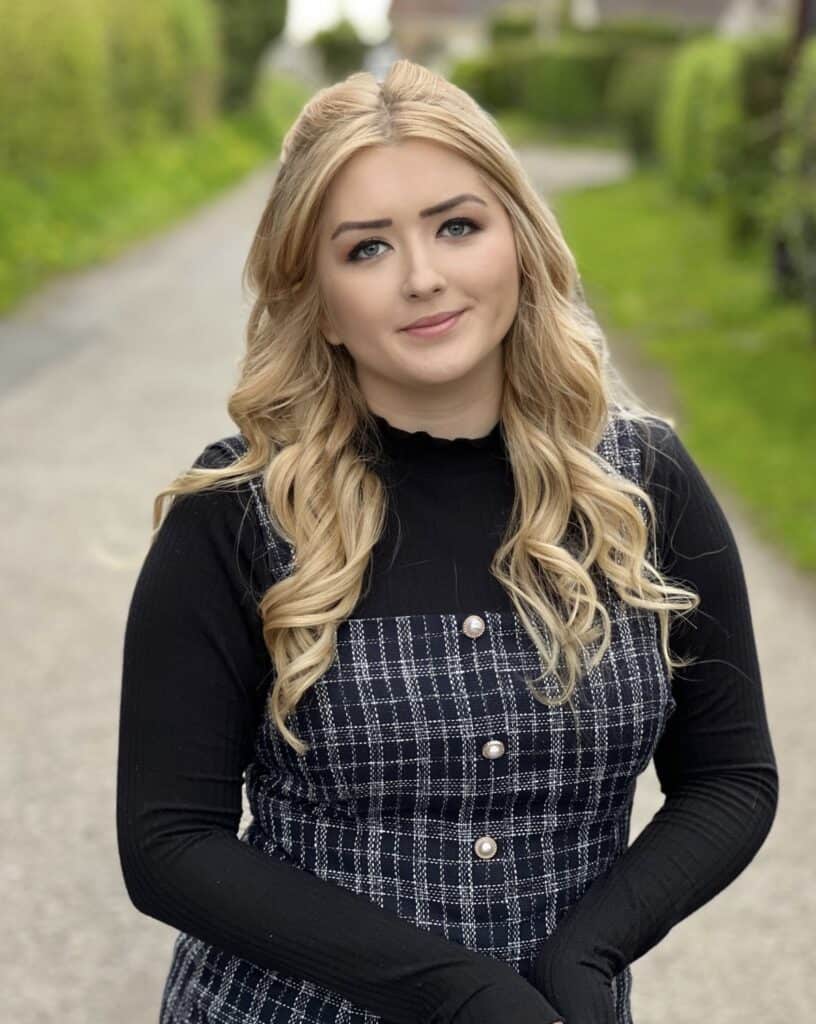
My name is Cat and I am 23 years old.
My symptoms first started as a teenager in secondary school, when I started experiencing frequent heart palpitations, episodes of chest pain, breathlessness, nausea, vomiting and other symptoms.
My story
Following emergency surgery and a post operative infection I was left feeling tired all of the time and was eventually diagnosed with ME (Myalgic Encephalomyelitis).
My symptoms continued to worsen and by mid-way through Year Ten I was missing a lot of school and relied on the local Hospital Education Service.
After multiple visits to the GP and A&E with worsening symptoms, I was finally found to be tachycardic on examination so was referred to Cardiology for investigations.
Diagnosis
In June 2016, after a years of multiple tests, scans and holter monitors, I had an implantable loop recorder inserted (a device that records your heart rhythm continuously for a number of years). In March 2020, I was diagnosed with PoTS.
The effect of PoTS
By the time I received my diagnosis I was doing better than before. I was already on Verapamil and advised to follow a high salt diet which helped. I started to wear compression stockings which also provided some additional relief. As I was still attempting to work, I had adaptions put in place and agreements to avoid triggering activities.
Things then declined, when over one summer I started to become unwell quite quickly. By October, I was suffering very debilitating symptoms which were preventing me from doing everyday activities. I was becoming increasingly tired, struggling to move independently and my breathlessness became severe.
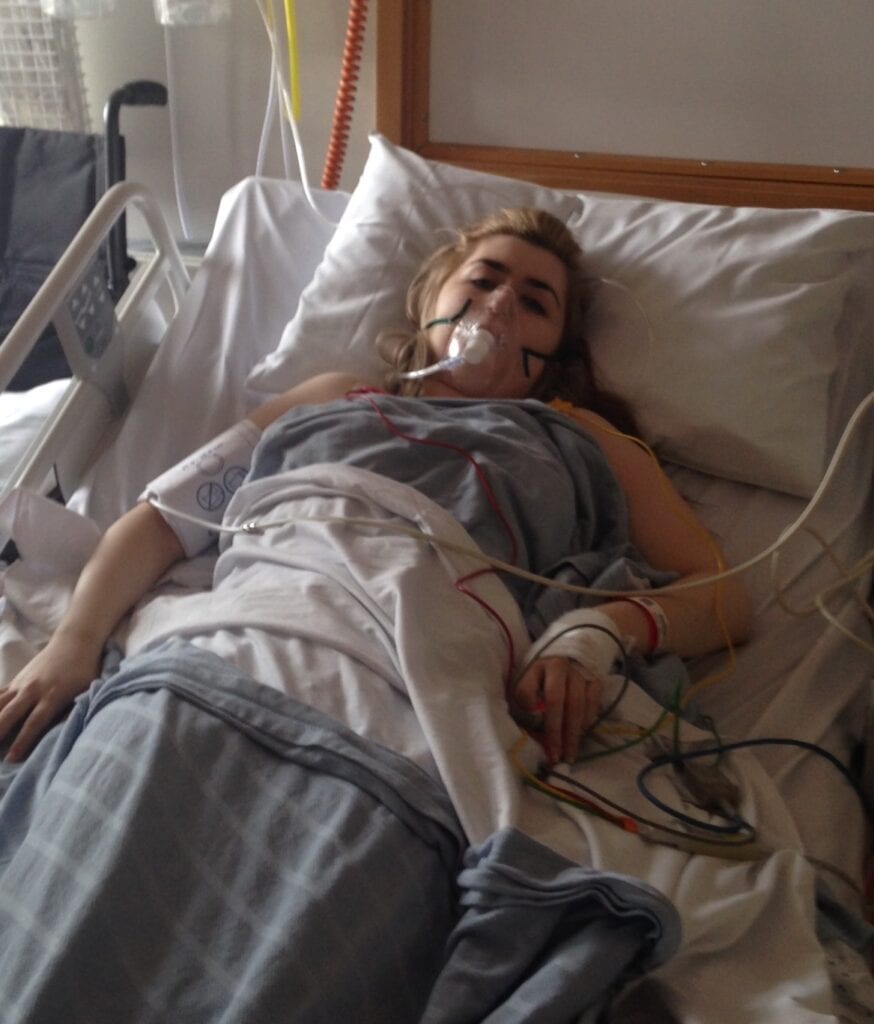
I would sweat whenever I tried to move, despite my feet and legs below the knees being very cold and physically weak. I also started having symptoms affecting other parts of my body. By November, I was unable to stand up, when I went for an ECG at my local Cardiology department they had to call a porter to take me to A&E where I consequently spent the next few hours in Resus.
Attempting control
Doctors acknowledged we weren’t winning. I was only truly comfortable when lying at a 45 degree angle. I had a heart rates in excess of 135 beats per minute on ECG‘s when just sitting upright in a wheelchair in clinic. I was started on fludrocortisone and midodrine alongside my verapamil, though they warned me that this may not work at all!
Six weeks later, though I felt the new medications were having a positive effect on my ability to tolerate being upright, my heart rate and blood pressure were still far too high. My consultant told me the verapamil was no longer having any effect so switched my medication to diltiazem, in the hope of normalising my heart rate and blood pressure enough to be able to increase my other PoTS medication in the future. It will be quite some time before we know if I will be able to gain more control of my PoTS, but I am hopeful that one day we might.
Challenges
The biggest challenge for me has been trying to maintain my job and social life alongside my illness, and adjusting to new ways of doing things since my PoTS became so severe.
It’s also been very hard to explain my condition to others, as most people have not heard of PoTS. It can be really difficult to explain why one hour I may need my wheelchair, but the next hour I may look ‘normal’. As my ability to do activities is dependent on the effect of my short-acting medication, I can flick between feeling ‘well’ to ‘unwell’ multiple times throughout the day and the activities I’m able to cope with depend on this. My PoTS is also worsened by other infections and illness, so if I become unwell with something else (which happens often for me), I become quite unwell overall.
PoTS can be scary and life changing, but having the right diagnosis enables patients to make the necessary lifestyle changes to manage their symptoms and receive further treatment when needed.
Although some individuals with PoTS will lead a relatively normal life gaining symptom control with lifestyle changes, I feel there is still little awareness of the impact that severe PoTS can have on an individual’s quality of life and ability to do basic things like sit upright and stand up without medication.