Holly’s words of hope – Don’t let a PoTS diagnosis define you!
We are incredibly grateful to Holly for sharing her story of hope, resilience and determination. We hope her words resonate with you and that you find comfort and connection in how she’s faced her challenges.
PoTS UK Volunteer, Holly shares her experiences and tells us why she is determined not to let her diagnosis define her.
It can feel overwhelming when you hear those words by a doctor; ‘you have PoTS’. Thoughts and questions begin to flurry your mind as you try to accept your new reality. A life changing diagnosis, permanent with just management methods as treatment. It took me a while to come to terms with the fact I have PoTS, for me I was not expecting the diagnosis and knew nothing about PoTS. I felt weighed down with all the symptoms and after the diagnosis, all the lifestyle changes needed to make myself feel better. I first started to feel unwell at 18 years old and was diagnosed at 21 years old. I was in fight or flight mode until that diagnosis, begging doctors to help me as I was determined to feel better. Hearing the diagnosis, it confirmed I was never going to get better, or be cured, this was my new reality, and I had to ‘manage it’ and hoped I felt better.
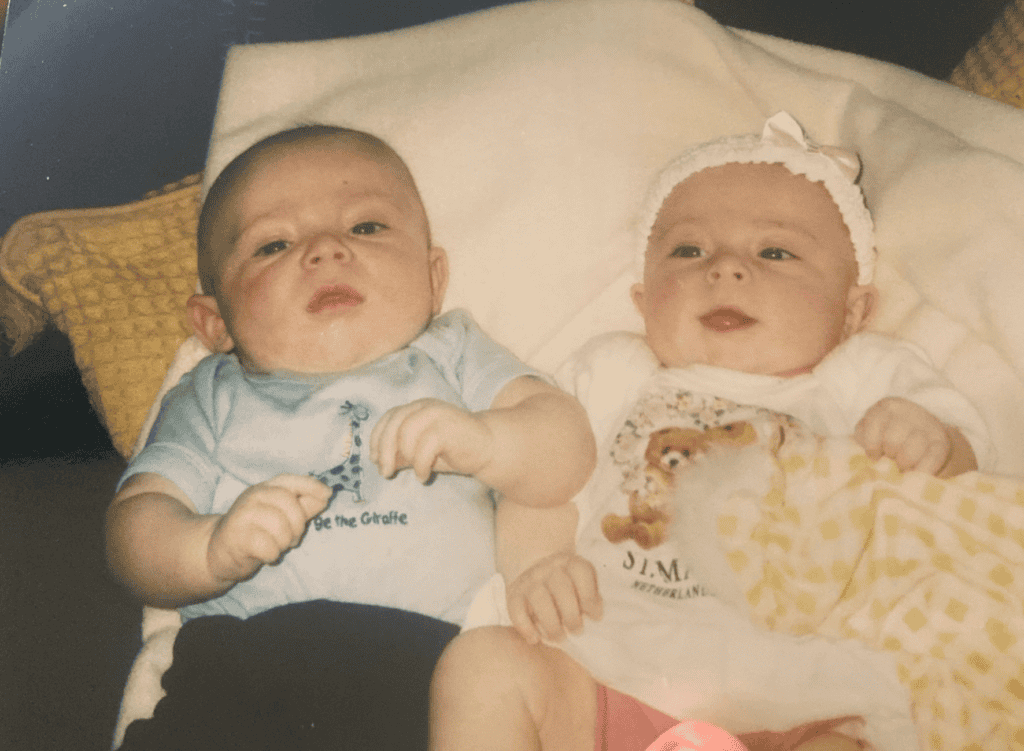
Holly started life as a healthy 6lb twin, with no health conditions.

Holly, at her 18th birthday party, a month before her COVID vaccine, the cause of her ongoing health problems.
The struggles after diagnosis:
I fell into depression after the diagnosis; the fight or flight wore off. I had my diagnosis, but it did not make me feel any better. I bed rotted. I started sertraline (medicine to help with depression) to help me through this tough time. I avoided everything. I was worried I would make my symptoms worse and I was scared. I did not know how to manage PoTS, and I was not strong enough to figure out how straight away. I struggled with basic hygiene and interacting with friends, as they just didn’t understand what I was going through. I was not relatable to them and them to me. I felt isolated. I snapped constantly at family and my partner because of how down and uncomfortable I was with this diagnosis. I cried all the time at everything and I mean everything. I couldn’t speak about my health without crying or drop something without crying, stub my toe without crying (you get the picture). This lasted for 3 months before I decided to be proactive because my life couldn’t continue like this, I had dreams and desires. I wished for a career, a social life, good relationships with my family and accepting defeat to PoTS ruined all of this.
I decided to try cognitive therapy. This helped me very much. I pushed myself to every session regardless of crying after everyone. It made me realise that I had not properly processed the diagnosis and was pushing it to the back of my mind as I did not want to deal with it. Around this time, I came across the FTD brothers, as known on TikTok. There story is sad but amazing. Their story and resilience were inspiring and pushed me to do better for myself and made me want to stop letting myself down and live again because a diagnosis should not define how you live. The brothers have a life limiting condition and rather than having people feeling sorry for them, they raise awareness for FTD and money for charity whilst running marathons which helps to extend their life expectancy. They truly inspired me.
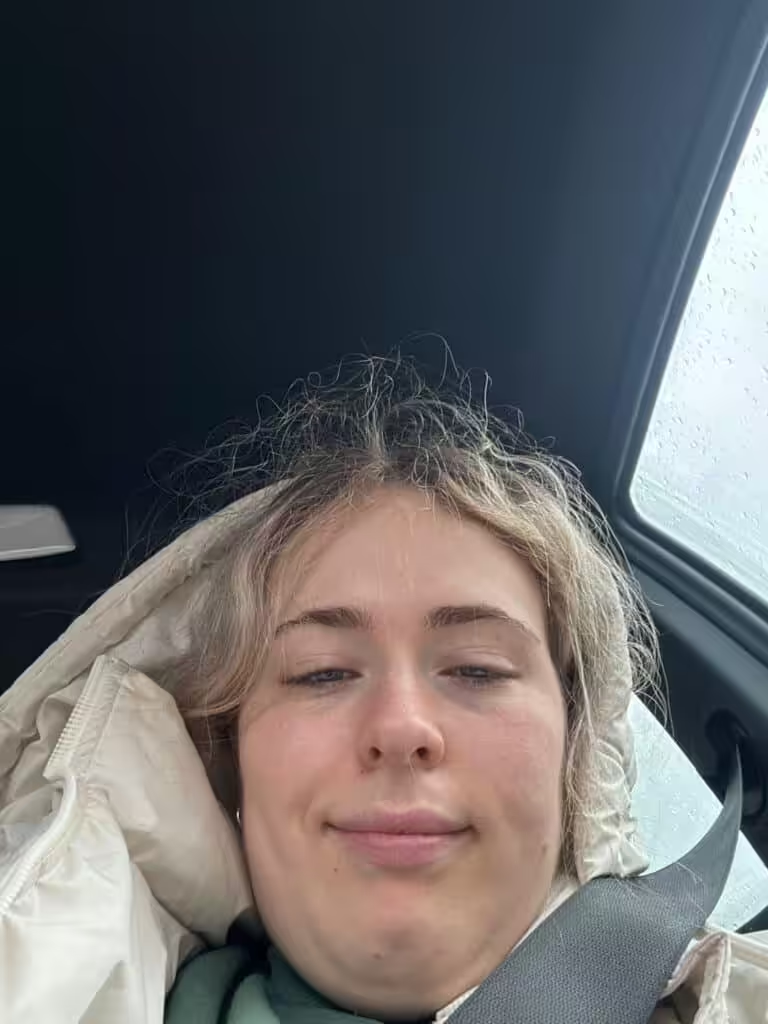
Holly, straight out of A&E, exhausted after struggling with PoTS symptoms caused by other complications.
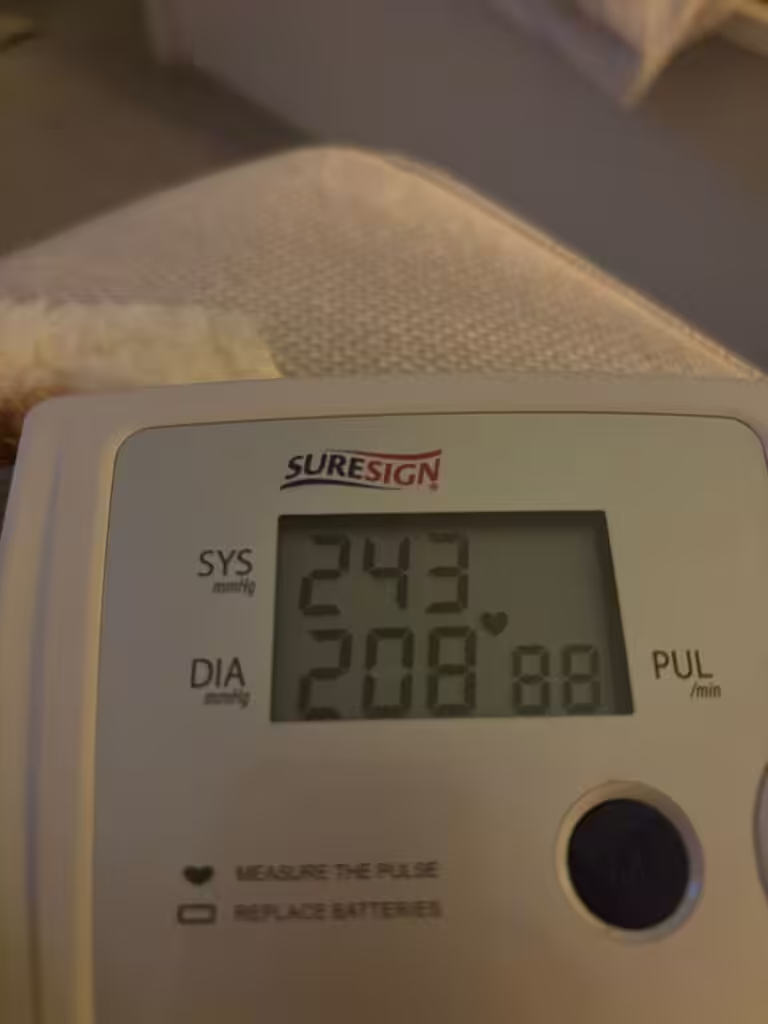
Holly struggles daily with high blood pressure.
Choosing to get better and showing gratitude:
I had an epiphany moment where I thought to myself, what am I doing wasting my life? I did not show enough gratitude for what I have. For me, I would say to myself, I can see, I can hear, I can smell, I am breathing, I have legs. Let’s live! I took things for granted and I told myself no more. I did not want to be another depressing story where people did not know how to interact with me because I was too sensitive. I wanted to go back to being me, loud, annoying, some might have said fun?
I took it day by day, pushing myself to get better. The months of feeling sorry for myself and letting my condition digress was over. I wanted to get better. I was ready.
Becoming proactive:
Every day, I would assess how full my ‘spoons’ were and take my day from there. I learnt to be kind to myself and accept this new reality. I became less bitter about being ill and my twin not, we have the same DNA so how? I embraced being ill truly. I started my progress off slow, starting with just getting dressed in the morning. Some days this was all I could manage but the more I showed up for myself, the more I improved. I would pace myself through the day, listening to my body when I needed to rest.
I was at university at the time so socialising at the clubs was the way people met. I eventually made it to the clubs and wore compression garments out. I wouldn’t drink alcohol and would embrace what I could do, not matter how small. I often wouldn’t stay the whole night out but that was okay, the point was I socialised with friends even just for an hour. When I first started to try clubbing again, I wouldn’t even make it out after getting dressed as I was too tired. In those moments, I chose to think about gratitude. I was grateful, I could get up, shower, and do my makeup and hair. This was an improvement as previously showering would wipe me out. The more I pushed myself and was kinder to myself, the more my PoTS backed off, I was winning the war, not the diagnosis, not PoTS.
After 7 months on sertraline, I came off them. I was determined to not be stuck on another medication for life.
I wanted to be more than a diagnosis; I refuse to die being felt sorry for or being known as being defeated. I want to ensure my life is fulfilling and when I die, I want to be remembered for being fun and kind, not my illness. This doesn’t mean I do not let people know when I have flareups, but I do not let the diagnosis swallow my personality.
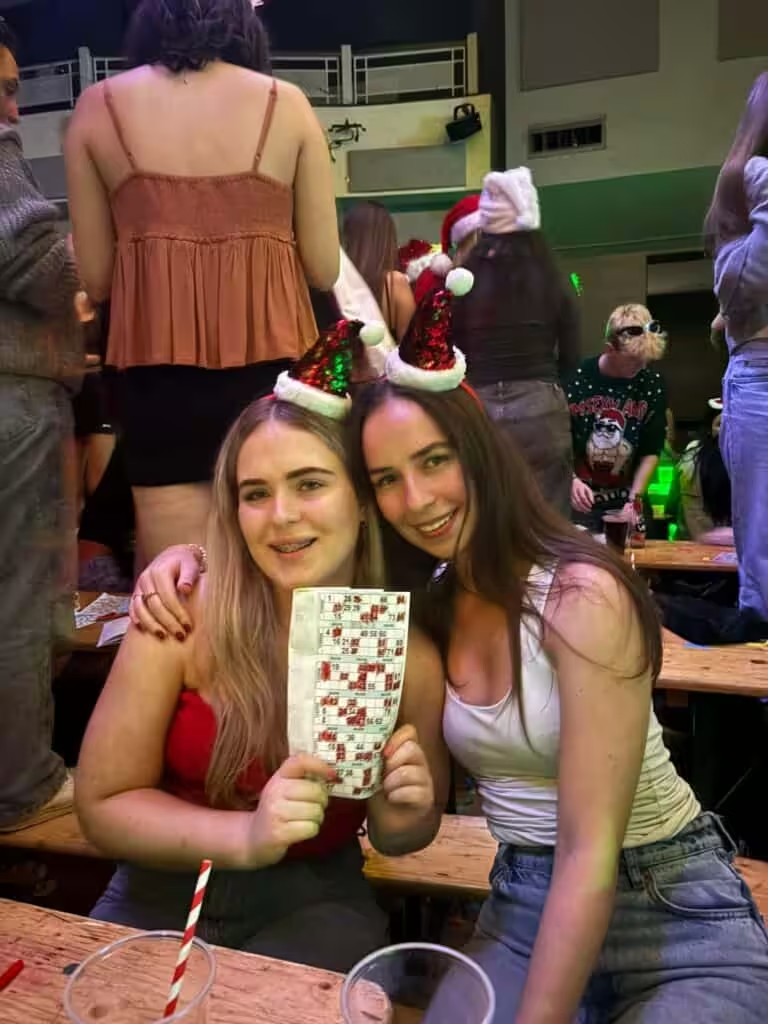
Holly at her first university social, ‘bingo lingo’, wearing compression socks to help with her oedema.
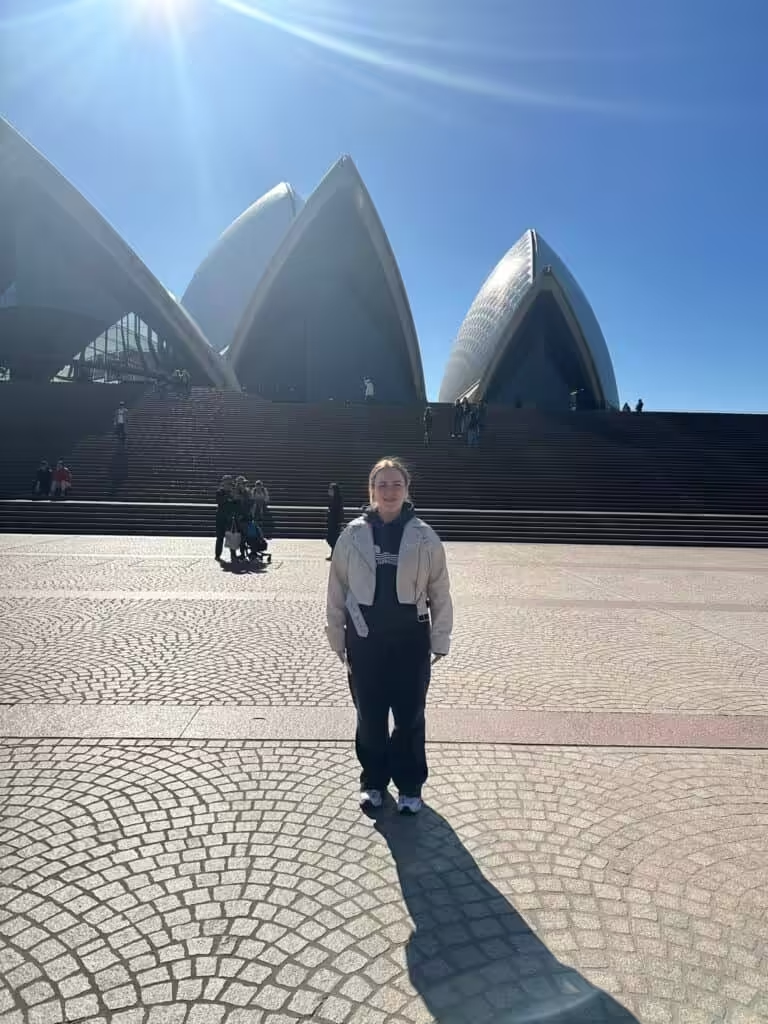
Holly is now stronger and more resilient and managed a 6 week trip to Australia, something she thought she would never be able to do!
My personal experience and grief:
In my personal experience, I feel when you slow down and do not push yourself, it makes your illness worse. It makes you less resistant to flareups and the more you push yourself the more you can do. PoTS flareups became less frequent as my body slowly started to manage more. I now joke about my PoTS moments and when I become dizzy and drop to the floor to make sure that I do not faint, my family joke and say, ‘there she goes again’. I feel I have made fun out of a not very funny situation. This makes it easier for me. This has taken time to get to this point.
Physical exercise is a good place to start, maybe the NHS Couch to 5k, Pilates or swimming. This builds resistances to PoTs as muscles grow strong to pump blood from your legs. Also, cardiovascular health is so important. Trying to be consistent is essential so it builds determination in yourself. Physical exercise is a good place to start to filling one of your daily ‘spoons’ as its good for mental health and no one is relying on you. If you truly have a flare up, you can just not go that day as your spoons is full. However, exercise is not the answer for everyone, find what works for you! The key takeaway is stay consistent with whatever is going to make you feel better, stay within your limits.
I hope to take part in an Ironman race one day!
At one point I grieved the life I thought I should have had, but this is my life now. I am making the most it and I am happy.
Do not let PoTS win, keep fighting and enjoy the little wins. It will get better, do not give up.

Despite all her struggles Holly graduated with a LLB Law Degree.
“The fight is worth it, I can’t wait for the next chapter.”