
Jess
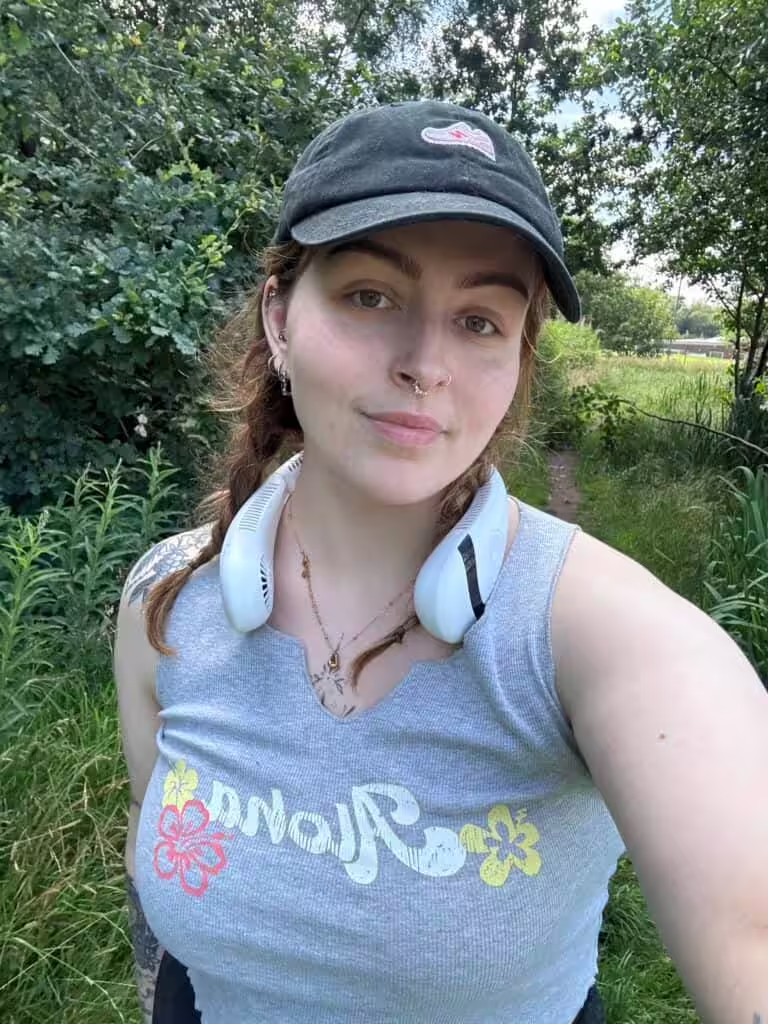
Hi, I’m Jess, and I’m almost 26. My journey with PoTS began when I was 18 years old when I fainted during a shift at Tesco and was taken to hospital.
In hospital I was told everything looked fine, and that it was likely a vasovagal syncope episode which is a term I wasn’t familiar with at the time. I had no idea that moment would be the start of a long journey.
It took seven years from that first episode to receive a full diagnosis. I was only taken seriously and diagnosed after going through private healthcare. I’m incredibly fortunate to work for a health insurance company where staff medical cover is included as without that, I might still be searching for answers.
Living with PoTS has had its challenges. The hardest part for me is coping with heat, which can trigger my symptoms, and the anxiety that comes with the unpredictability of the condition. I often worry about fainting or having a severe episode while out alone. That fear has impacted my confidence, but I’m currently in therapy, learning how to manage it and regain more control over my life.
Over the years, and after graduating from university, my symptoms became more frequent and severe, especially around the age of 24. However, despite the hurdles, I’ve found ways to adapt. Medication like Sertraline has helped reduce the intensity of my palpitations. Lifestyle adjustments such as staying hydrated with electrolytes, wearing compression socks, using cooling fans and ice packs, and eating salty snacks have made a real difference as well. My boyfriend has also been an incredible support system, and I’ve learned that accepting help doesn’t mean weakness, it means resilience and strength. Most importantly, I’ve learned to listen to my body and rest when I need to.
If I could share one piece of advice with others, it would be to advocate for yourself. If something doesn’t feel right, keep pushing for answers. Getting a diagnosis and understanding your condition can be truly empowering and is the first step to adapting and reclaiming your life.
For those who aren’t familiar with PoTS, I encourage you to learn about it. It’s a complex and often invisible condition that can severely affect someone’s daily life, mobility, and wellbeing. It’s not ‘just fainting’, it is a real and often disabling condition that deserves recognition and support.
Sometimes I grieve the life I had before PoTS, but I also recognise the strength I’ve built through this journey. My hope is that through greater awareness, people will better understand the impact of PoTS and that no one will feel dismissed or invisible while living with it.